
Alain Bertaud on Housing Affordability
Brown Bag Discussion Series
City governments routinely set minimum consumption standards for housing: minimum lot sizes, minimum unit sizes, minimum access street widths, or a minimum of parking spots per housing unit. In a recent brown bag discussion, Alain Bertaud argued that efforts to regulate minimum housing consumption — however well-intended — typically work to price poor households out of the formal housing market and into the informal sector where access to public services is limited or non-existent.
Bertaud pointed out that, by legitimizing informal settlements and relaxing regulations for minimum housing consumption therein, cities can improve housing standards for the poor. The kampongs of Surabaya, Indonesia, for example, are not bound by the minimum standards of formal subdivisions elsewhere in the city. But because the government treats the kampongs as legitimate settlements, the neighborhoods are well-connected to municipal infrastructure. What’s more, people in the kampongs feel confident in their land tenure, allowing structures to evolve with the income of the residents.
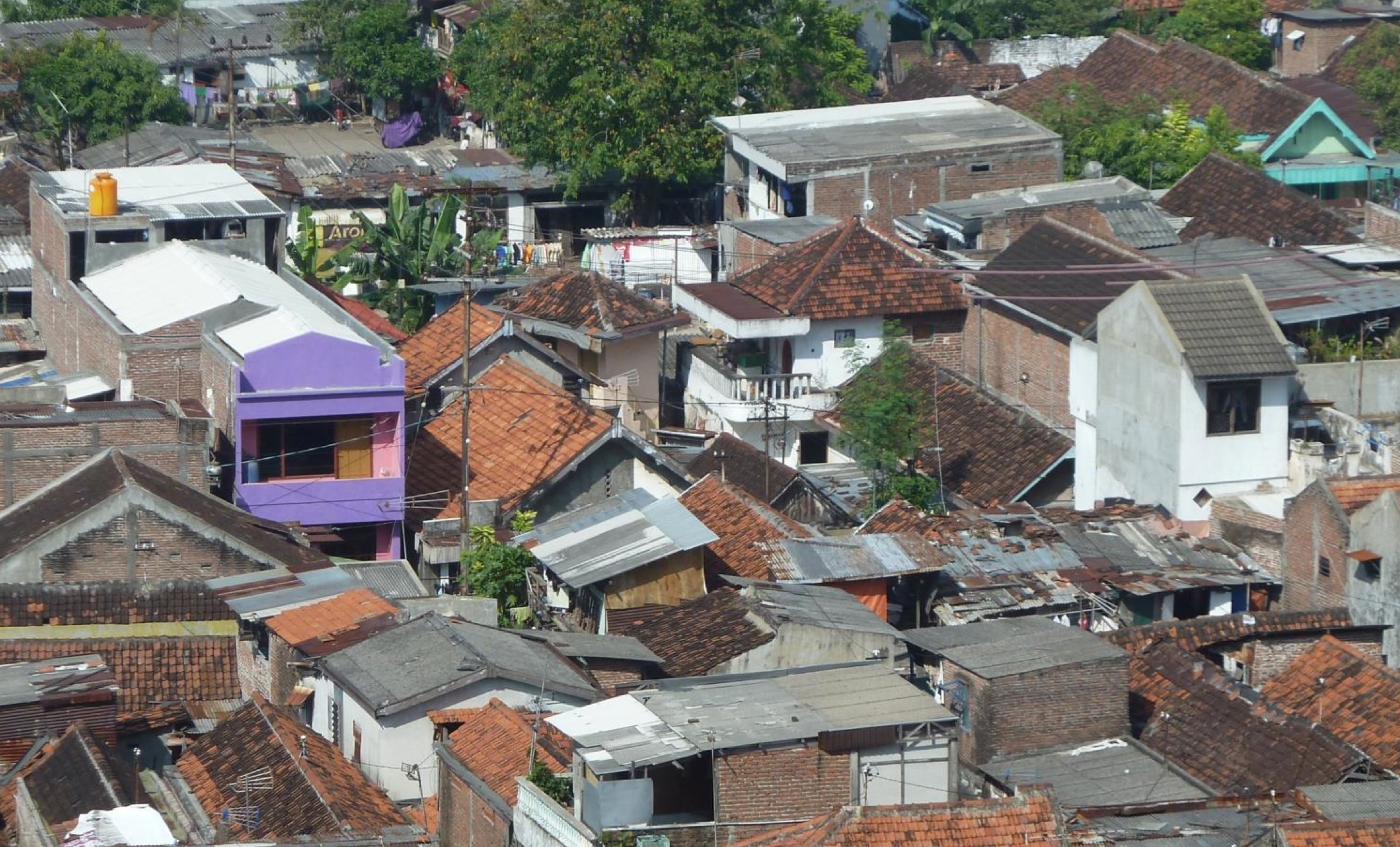
Other examples of parallel housing markets that are officially sanctioned include the urban villages in Hanoi and the neighborhoods of handshake buildings in Shenzhen — both of which provide an important source of housing for low income residents.
See the slides form Bertaud’s presentation here.
Speakers
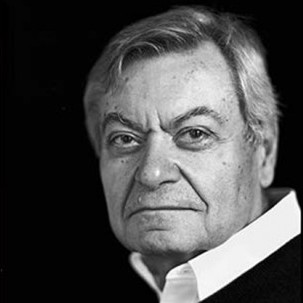
Alain Bertaud is a Fellow at the Marron Institute. He is the author of a book about markets and the practice of urban planning titled “Order Without Design: How Markets Shape Cities” published by MIT Press in December 2018. Bertaud previously held the position of principal urban planner at the World Bank. After retiring from the Bank in 1999, he worked as an independent consultant. Prior to joining the World Bank he worked as a resident urban planner in a number of cities around the world: Bangkok, San Salvador (El Salvador), Port au Prince (Haiti), Sana’a (Yemen), New York, Paris, Tlemcen (Algeria), and Chandigarh (India).
Bertaud’s research, conducted in collaboration with GIS-expert Marie-Agnès Bertaud, aims to bridge the gap between operational urban planning and urban economics. Their work focuses primarily on the interaction between urban forms, real estate markets and regulations. Bertaud earned the Architecte DPLG diploma from the Ecole Nationale Supérieure des Beaux-Arts in Paris.
Bertaud has been recently interviewed about his book in podcasts by Russ Roberts and Tyler Cowen
Please fill out the information below to receive our e-newsletter(s).
*Indicates required.